All Categories
Featured
Table of Contents
Each product page on the site must've thorough item information, high-resolution images, and customer reviews. The page must describe the product's functions, benefits, and specs, supplying visitors with a rich and useful experience. DressOK! should have a devoted blog section that provides valuable articles, tutorials, and industry insights connected to the items they offer.
Predicting Value with Machine Learning in 2026The blog posts might include pertinent item links to direct readers toward acquiring. These posts might highlight product use, consumer reviews, or behind-the-scenes content, developing a connection between the brand name and its customers.
The site may have a section dedicated to displaying customer-submitted images or videos featuring the products they acquired. The user content creates a sense of community and authenticity, as possible customers can see real people utilizing and enjoying the items. The website makes use of consumer data and searching behaviour to customize the user experience.
The suggestions are accompanied by aesthetically appealing images and personalized product descriptions, increasing the possibility of conversions. By utilizing Magnolia's headless CMS to combine material and commerce data from various sources. A store option manages data products and marketing texts controlled within the content management system, digital asset management software takes care of images and videos, and consumer data platform offers the necessary information for personalization functions.
Producing whole material fragments or campaigns (banners copy etc.) that can be recycled throughout pages The listed below image reveals how you can combine material (Magnolia) and commerce (in this case, Salesforce Commerce Cloud) on an end-user page. It is a content-led ecommerce era, and to stay current and relevant, brands need to embrace and adapt the fusion of material marketing and ecommerce as it proves to be a powerful method for achieving a higher purchase rate and customer loyalty.
Future Social Ad Shifts to Watch in 2026
Effective material commerce can come from user-generated material, video marketing, podcasts, interactive tests, and a lot more. So, are you all set to reassess your method to material ecommerce as the online marketplace is just getting increasingly more competitive? To effectively integrate content commerce into your ecommerce strategy, turn to a headless CMS.
Ecommerce material marketing refers to using content marketing strategies and techniques to promote and offer items or services through an ecommerce platform. It involves developing and distributing important, pertinent, and engaging content such as blog posts, articles, video material, social media posts, product descriptions, and client evaluations to attract and engage potential clients, driving traffic to the ecommerce site and ultimately increasing sales and conversions.
It increases brand exposure, builds credibility, reaches targeted audiences, enhances conversion rates, broadens earnings opportunities, and provides important information insights. Contextual commerce has to do with clients going shopping online while included with other activities, such as surfing social media sites, working out, etc. This digital shopping experience is not happening required on the company's website page.
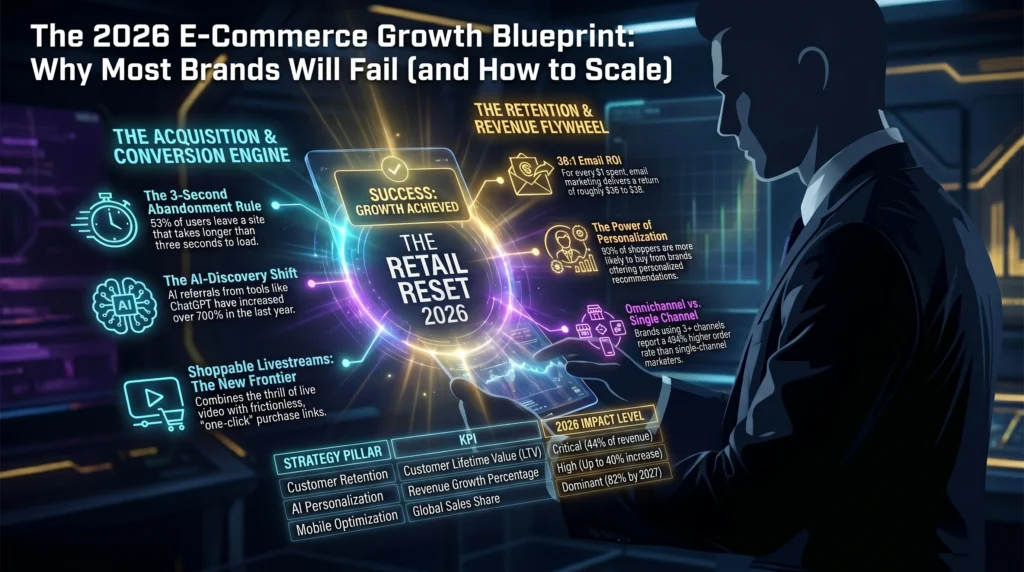
A material marketing strategy is a plan for the content you develop for your service and how to distribute it. This strategy must align with and match the objectives of your total business method. Content marketing method for a small company needs you to consider multiple aspects, including: Content plans will vary depending on your goals.
This recognizes who you're trying to reach with your material. In your technique, go into detail about specific material types. Common ones consist of image essays, behind-the-scenes videos, or blogs about your procedure.
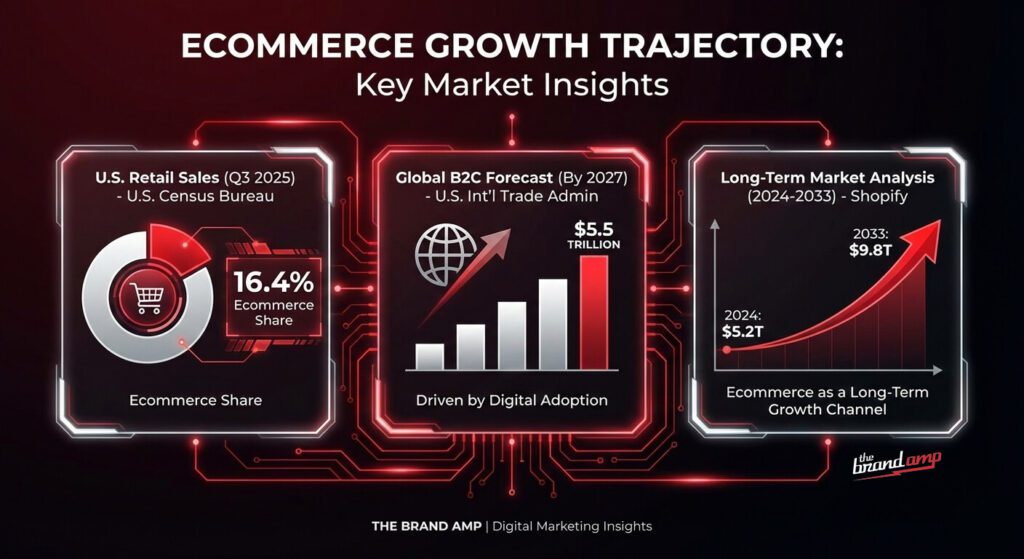
Search Ads or SEO Reach: What Succeeds?
A material technique addresses which channels you plan to utilize and what sort of content you'll share on them. A content calendar is an essential part of your material method. This is an in-depth overview of when and where you plan on sharing your content. Once you settle on what type of material to create, you can identify which metrics to track.
Material developers may determine video views or engagement. There's no one best method to do content marketing. You can focus on one type of material or produce a mix of material and space it out over time.

Latest Posts
Step-By-Step Analytics Tutorials for Growth Teams
Boosting Shop Sales Via Smart Content Marketing
Creating a Successful Influencer Marketing Strategy